

Artificial replicas of real people using Large Language Models, e.g., GenAI avatars, digital duplicates, and AI simulations, raise profound questions about identity, consent, and moral responsibility. Unlike generic AI systems, these replicas are tied to specific individuals, creating distinct concerns about representation rights, posthumous dignity, and potential misuse across entertainment, politics, and beyond. Our research network brings together scholars, practitioners, and policymakers to explore the technical and normative implications of human replica technologies, including meaningful consent, responsibility assignment when replicas cause harm, and safeguards against exploitation. This network facilitates sharing research findings, coordinating studies, and developing policy recommendations. We welcome researchers investigating the ethical, legal, technical, and social dimensions of artificial human replicas to shape future responsible development of these powerful technologies.
Network

Brian D. Earp
Brian is a philosopher, cognitive scientist, and bioethicist. He is currently Associate Professor of Biomedical Ethics and, by courtesy, Associate Professor of Philosophy and of Psychology at the National University of Singapore (NUS). He is also a member of the Artificial Intelligence Institute of NUS and a Research Affiliate of the Uehiro Oxford Institute at the University of Oxford. He is an elected member of the UK Young Academy under the auspices of the British Academy and the Royal Society.
Together with Lucy Frith and Arianne Shahvisi, he is Co-Editor-in-Chief of the Journal of Medical Ethics, published by the BMJ, and Editor-in-Chief of its companion journal, JME Practical Bioethics.
His research spans relational moral psychology; philosophy of technology; research ethics, reproducibility, and open science; the ethics of AI and human enhancement; the philosophy of love, sex, and gender; bodily autonomy and integrity; and children’s rights, among other areas. He helped establish experimental philosophical bioethics as a distinct area of research.
He directs the Oxford–NUS Centre for Neuroethics and Society at the University of Oxford and NUS, as well as the EARP Lab (Experimental Bioethics, Artificial Intelligence, and Relational Moral Psychology Lab) at NUS. He is also Associate Director of the Yale–Hastings Program in Ethics and Health Policy at Yale University and The Hastings Center.
Brian earned his undergraduate degree in cognitive science with a concentration in philosophy from Yale University (2010), followed by a master’s degree in psychological research methods from the University of Oxford (2011) and a second master’s degree in the history and philosophy of science and medicine from the University of Cambridge (2014). He received his Ph.D. in philosophy and psychology from Yale University in 2021.
His first book is Love Drugs: The Chemical Future of Relationships (Stanford University Press, 2020, with Julian Savulescu), published in the UK as Love Is the Drug: The Chemical Future of Our Relationships (Manchester University Press, 2020). The book was selected as an Editor’s Choice by Scientific American and received favorable reviews in both the popular press (e.g., The Atlantic) and academic journals (e.g., AJOB, Journal of Moral Philosophy).
His forthcoming books include Private: The Right to Genital Autonomy (University of Chicago Press, under contract), Me, Myself, & AI (MIT Press, under contract), and a book on gender ethics for Polity Press (under contract).
Together with Clare Chambers and Lori Watson, he is editor of The Routledge Handbook of Philosophy of Sex and Sexuality (Routledge, 2022).

Clint Hurshman
Clint Hurshman is a philosopher of technology and research fellow at the National University of Singapore, Centre for Biomedical Ethics. He received his PhD in philosophy from the University of Kansas in 2025, and his research investigates various topics in the ethics of AI, including digital duplicates, anthropomorphism, privacy, and trust in AI.
Research Fellow – Centre for Biomedical Ethics
National University of Singapore
Atay Kozlowski
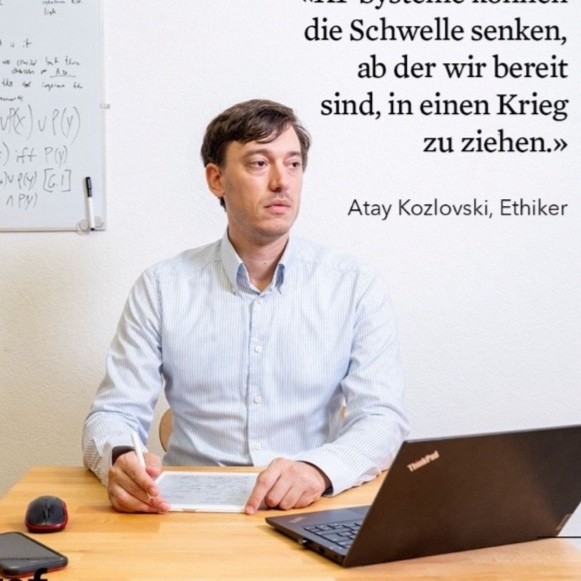
Atay Kozlovski is a philosopher working at the intersection of ethics, technology, and memory. He holds a Ph.D. in Philosophy from the University of Zurich and is currently a visiting researcher at TU Delft. His research focuses on the ethical and philosophical questions raised by digital duplicates and their implications for authenticity, agency, and remembrance in the digital age.
SNSF Postdoctoral Researcher, Sociotechnical AI Systems Lab
Delft University of Technology (TU Delft)

Benjamin Lange
Benjamin Lange leads a junior research group on the ethics of AI based at the Ludwig-Maximilians-Universität München and the Munich Center for Machine Learning (MCML), funded by the Federal Ministry of Education and Research (BMBF). He is a Research Associate at the Oxford Uehiro Institute for Practical Ethics, and a member of the Center for Ethics and Philosophy in Practice (ZEPP) at LMU. In the past, he was a Visiting Researcher in the Responsible Innovation and AI Ethics Team at Google and a Visiting Fellow at the University of Hamburg. His research focuses on normative and practical ethics, business ethics, and the ethics of AI and technology.
Junior Research Group Lead / Nachwuchsgruppenleiter
Ludwig-Maximilians-Universität München & Munich Center for Machine Learning

Pengbo Liu
Pengbo Liu is a Senior Lecturer at Bentley University. His research interests include Chinese philosophy, ethics and the philosophy of technology. His current esearch examines the Human–AI relationship from a cross-cultural perspective, integrating ancient Chinese philosophy with contemporary debates. His research has been published in in the Journal of the American Philosophical Association, Oxford Intersections: AI in Society, Metaphilosophy, Philosophy Compass, and Comparative Philosophy.

Sven Nyholm
Sven Nyholm is Professor of the Ethics of Artificial Intelligence at LMU Munich and one of the Principal Investigators for the Munich Center for Machine Learning. He is also Area Editor for AI ethics for the journal Science and Engineering Ethics. His books include Humans and Robots: Ethics, Agency, and Anthropomorphism (2020), This is Technology Ethics: An Introduction (2023), and The Ethics of Artificial Intelligence: A Philosophical Introduction (2026).
Sebastian Porsdam Mann
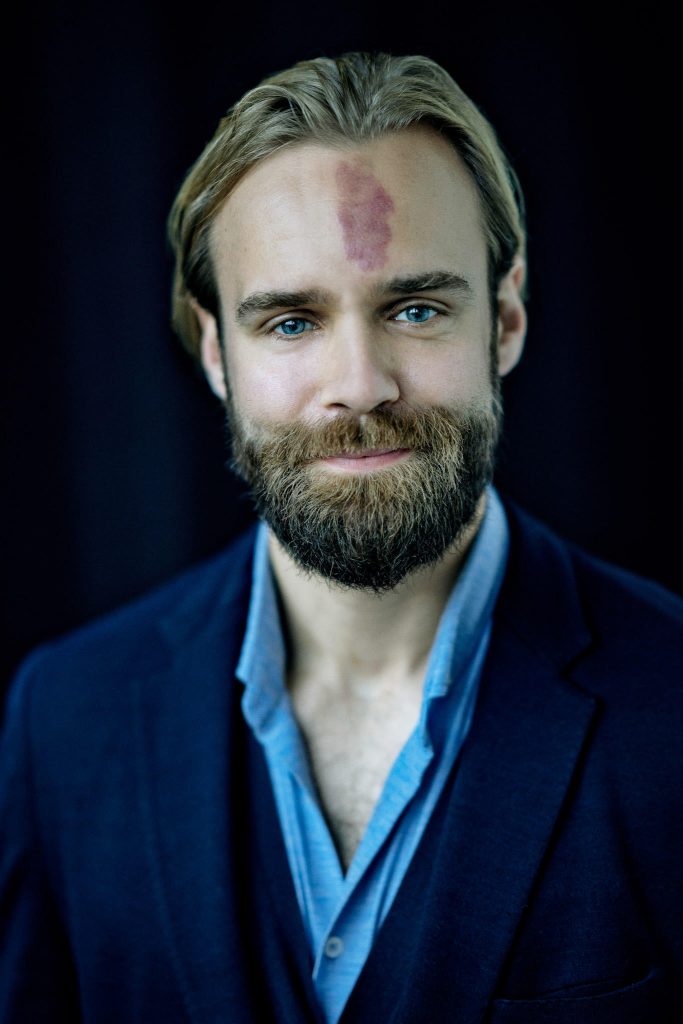
Sebastian Porsdam Mann is an Assistant Professor at the University of Copenhagen and Visiting Associate Professor at the National University of Singapore. Trained in philosophy, neuroscience, applied ethics (BA, PhD, University of Cambridge), and international human rights law (DPhil, University of Oxford), his research spans law, ethics, and emerging technologies, in particular generative AI. Ranked #1 in Europe and #3 globally for “Ethical and Legal Issues” (by FWCI, SciVal 2019–2025), he has published in Nature Machine Intelligence, Nature Medicine, PNAS, and New England Journal of Medicine AI, was lead author of UNESCO’s brief on COVID-19 and the right to science, and has been interviewed three times by Nature and once by Science. He is author or editor of The Right to Science: Then and Now (CUP, 2021) and Scientific Freedom (R&L, 2023), holds a book contract with MIT Press and is negotiating another with Oxford University Press for monographs on personalized AI and the human right to science, and was recently invited to contribute a Comment to Nature.

Anna Puzio
Anna Puzio is a philosopher and ethicist of technology at the University of Bern in Switzerland and in the Dutch “Ethics of Socially Disruptive Technologies” (ESDiT) programme. She has also worked in Munich, Vienna, Frankfurt, Oxford, Cambridge, Berkeley, and Twente. Her work on avatars, bots, and robots explores questions of the human and identity, relationships with the non-human (technology and nature), agency, grief (bots), New Materialism, religions, and diversity.

Paula Sweeney
Paula Sweeney is a senior lecturer in Philosophy. She joined the University of Aberdeen in 2009. Prior to that she completed her PhD at the University of St Andrews under the supervision of Crispin Wright. Paula was the Head of the School of Divinity, History, Philosophy and Art History from 2017-2022. Paula’s academic background is in the Philosophy of Language and the Philosophy of Logic. Now she works in the Philosophy of Artificial Intelligence, particularly regarding AI avatars and social robots.
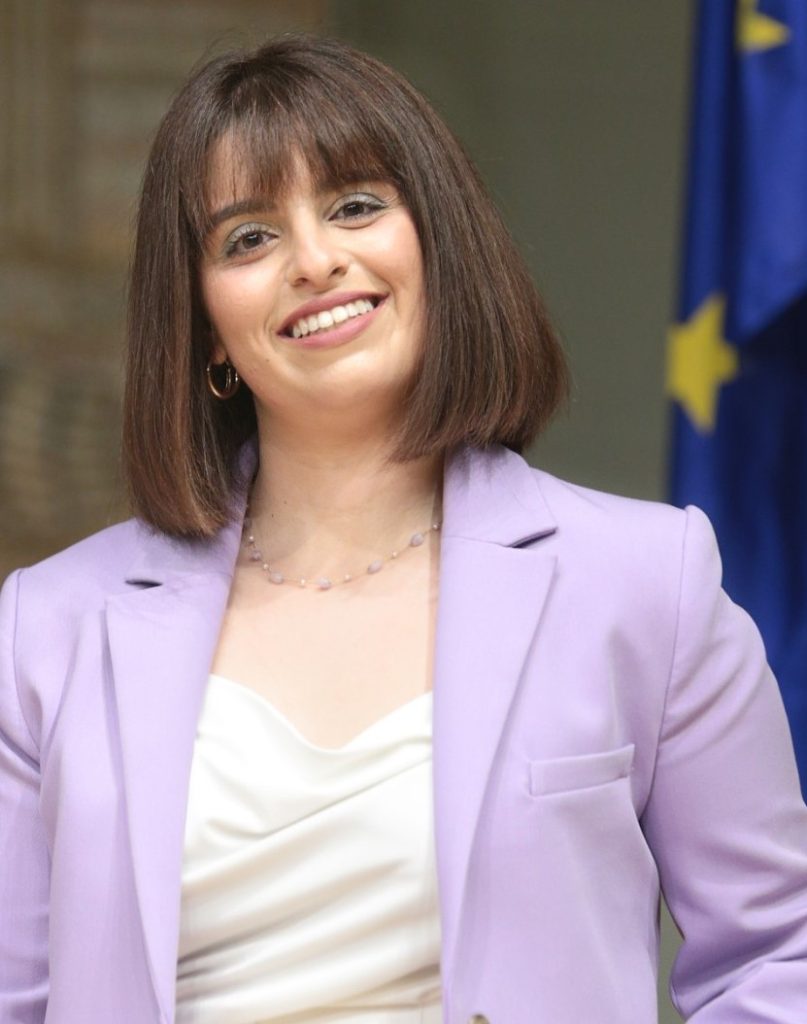
Anastasia Nefeli Vidaki
Anastasia Nefeli Vidaki is currently a PhD Candidate/ Researcher at the Cyber and Data Security Lab (CDSL), which is part of the Research Group on Law, Science, Technology & Society (LSTS) at the Faculty of Law and Criminology of Vrije Universiteit Brussel (VUB). She completed her bachelor studies in Law in the Aristotle University of Thessaloniki. During her studies, she spent a semester at the Faculty of Law of University of Cologne and carried through an internship at the Permanent Representation of Greece to the EU. She has also obtained a MsC on Law and ICT at the University of Piraeus (with distinction) and a LLM on Sociology of Law, Science and Technology at the National and Kapodistrian University of Athens (with distinction). She is a qualified lawyer and member of the Bar Association of Piraeus, Greece. Before joining CDSL, she fulfilled the Bluebook traineeship at the Justice and Consumers Directorate of the European Commission, focusing on digitalization of justice. Her research interest focuses on legal and ethical concerns regarding ICT, digitalization and AI governance and policy.
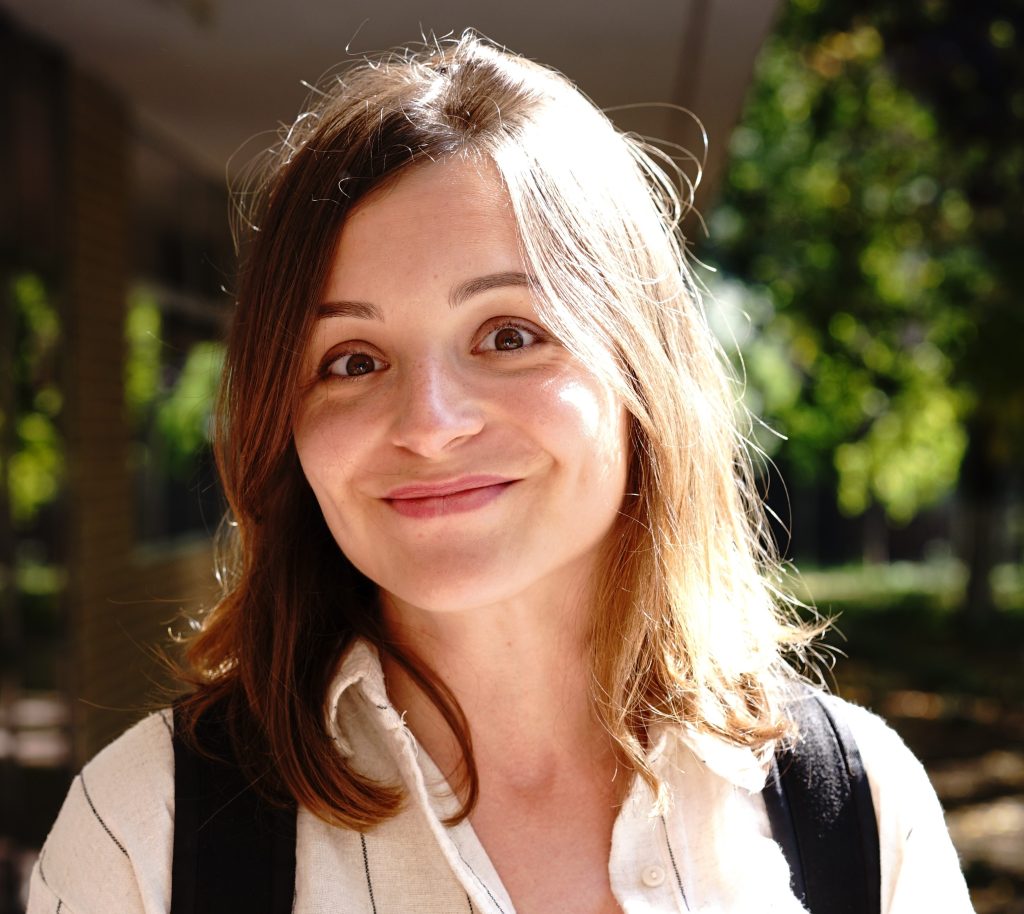
Cristina Voinea
Cristina Voinea is a Marie Skłodowska-Curie Postdoctoral Fellow and a hosted researcher at the Oxford Uehiro Centre for Practical Ethics. Her research primarily revolves around understanding the impact of digital technologies on both individual and societal well-being. Cristina’s work delves into a range of critical themes within this domain, including responsibility in the realm of artificial intelligence, the influence of persuasive technologies, and the potential use of technology for cognitive and moral enhancement.

Daniel E. Weissglass
Daniel E Weissglass is an Assistant Professor of Philosophy at Duke Kunshan University. His research focuses on the nature of the mind, its relationship to computation, and the implications that this relationship has for how we ought to live (ethics), live together (politics), and distribute property while doing so (normative economics). He has written about using math to figure out what thoughts mean, how the Talmud can inform constitutional interpretation, the need for enforcement mechanisms in global health law, and the use of AI to enhance health systems in low-resource settings. Recently, he has been working on what recent breakthroughs in AI can do to help us better understand ourselves and how we can use them in ways that help – and do not hurt – us.

Mihaela Constantinescu
Mihaela Constantinescu is lecturer at the Faculty of Philosophy, University of Bucharest, Romania, and executive director of the Research Centre in Applied Ethics (CCEA). Her research areas include virtue ethics, business ethics, Human-Robot Interaction, and AI ethics, with a focus on the normative interplay between the concepts of moral responsibility and moral agency in relation to individuals, organisations, and AI systems. Her articles were published in journals such as Ethics and Information Technology, Philosophy & Technology, International Journal of Social Robotics, Journal of Business Ethics. She is co-author of the book “Institutionalizing ethics: mechanisms and instruments” (in Romanian).
Mihaela is the PI of the avataResponsibility project, with a scientific focus on developing a normative framework for agency and moral responsibility in emergent avatar communities.
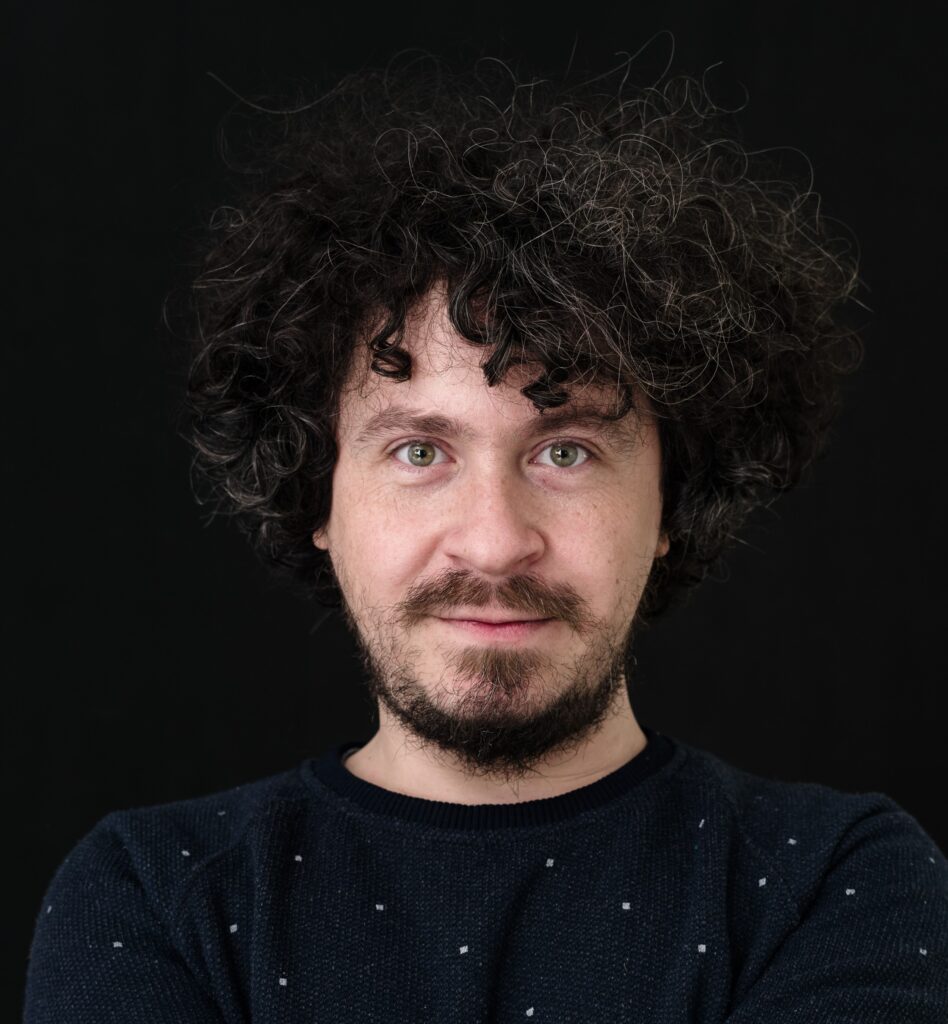
Constantin Vică
Constantin Vică teaches courses at the Faculty of Philosophy, University of Bucharest, on ethics and politics of new technologies, the philosophy of history – the philosophy of the future, digital culture, etc., and is a researcher at the Research Center in Applied Ethics. He has co-authored articles in Science and Engineering Ethics, Ethics and Information Technology, Philosophy & Technology, International Journal of Social Robotics, Frontiers in Robotics and AI, Journal of Bioethical Inquiry, Philosophical Psychology, Phenomenology and the Cognitive Sciences, Topoi, etc. In 2019, he co-edited the volume Vremuri noi, vremuri vechi. Jurnal 2007–2013 by Mihail Radu Solcan. In 2023, he published Civilizație algoritmică și viața în lumea digitală (Algorithmic Civilization and Life in the Digital World) with the University of Bucharest Press.

Radu Uszkai
Radu Uszkai teaches Philosophy and Business Ethics at the Bucharest University of Economic Studies where he works as an Assistant Lecturer at the Department of Philosophy and Social Sciences. He also works as a researcher at the Research Center in Applied Ethics, University of Bucharest. Radu holds a PhD in Philosophy from the University of Bucharest since 2015, with a thesis on the ethics of intellectual property and digital piracy. His research is focused on applied ethics (with an emphasis on new and emerging technologies), political philosophy (mainly on classical liberal ideas) and the philosophy of pop culture. He has recently published papers in journals like Philosophy & Technology, Ethics and Information Technology and Frontiers in Robotics and AI. His first book, dedicated to the ethics of copyright, was published in 2024 by Bucharest University Press.

Anda Zahiu
Anda Zahiu is an Assistant Professor at the Faculty of Philosophy, University of Bucharest, and a member of the Research Centre in Applied Ethics. Her current PhD research revolves around issues pertaining to tax and transfer redistributive schemes. She has a background in moral and political philosophy. Anda’s research interests include new and emerging technologies, with a particular focus on Virtual Reality and digital avatars. Her last article was published in Ethics and Information Technology.